



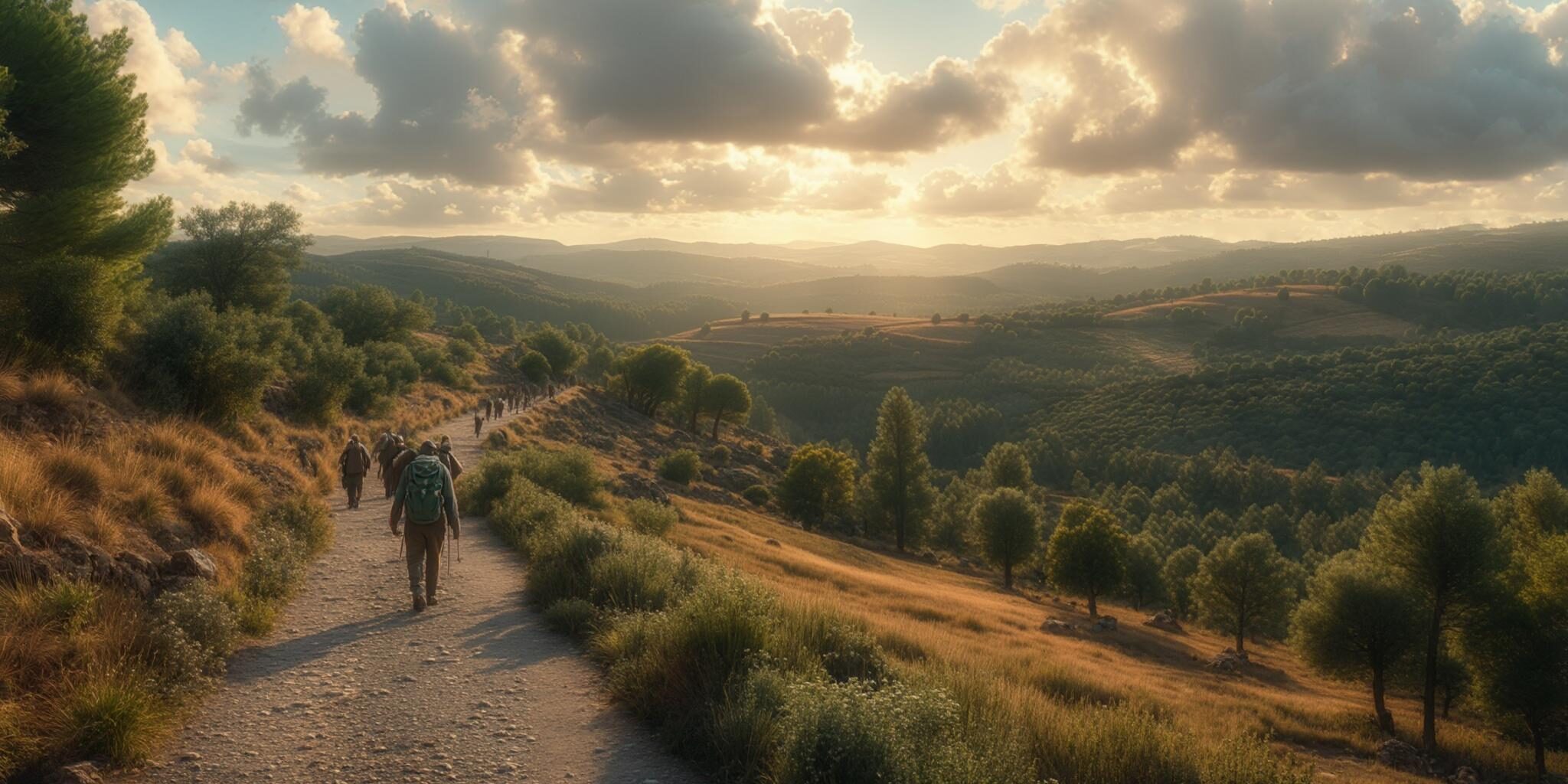
The Camino de Santiago, with its various routes through Spain, Portugal and France, has been an epicenter of pilgrimage and adventure since the 9th century. This ancient path not only attracts those seeking spirituality, but also those who wish to challenge their physical and mental limits.
What is the Camino de Santiago?
The Camino de Santiago is a network of pilgrimage routes that culminate at the Cathedral of Santiago de Compostela in Spain, where the remains of the apostle St. James the Greater are believed to lie. Over the centuries, these routes have guided millions of pilgrims on a journey of self-discovery and faith.
Why do the Camino de Santiago?
To walk the Camino de Santiago is to embark on an adventure that combines the beauty of the European landscape with a profound personal experience. Pilgrims often find the Camino an opportunity to reflect on their lives, face their fears, and often overcome significant personal challenges.
French vs Portuguese Way
The French Camino, known for its diverse landscapes and rich history, is the more popular and social route. In contrast, the Portuguese Camino offers friendlier terrain for beginners and is notably quieter, ideal for those seeking a more introspective experience.
The Way of Saint James for beginners
For novices, the Camino offers routes of lesser difficulty and well equipped with services that facilitate the experience. Starting with the Portuguese Camino or some shorter sections of the French Camino can be an excellent way to adapt to the rigorous journey.
When to do the Camino de Santiago
The spring and fall seasons are ideal for walking the Camino, as they offer milder weather and lively scenery. However, summer brings more pilgrims and a more vibrant and social experience on the Camino.
What to take on the Camino de Santiago
Smart packing is crucial: adequate clothing for weather changes, comfortable shoes for long walks, a hiking stick, water, snacks, and a basic first aid kit are essential for any pilgrim.
Common difficulties and problems on the Camino
From blisters to physical exhaustion, the challenges on the Camino are real. Being mentally and physically prepared, as well as carrying the right gear, can make a big difference in how you experience the route.
Doing the Camino alone or in a group
Whether you decide to walk alone, seeking an experience of introspection, or prefer the safety and company of a group, the Camino de Santiago is flexible and welcomes all types of pilgrims with their own stories and motivations.
Source: www.newsday.com