



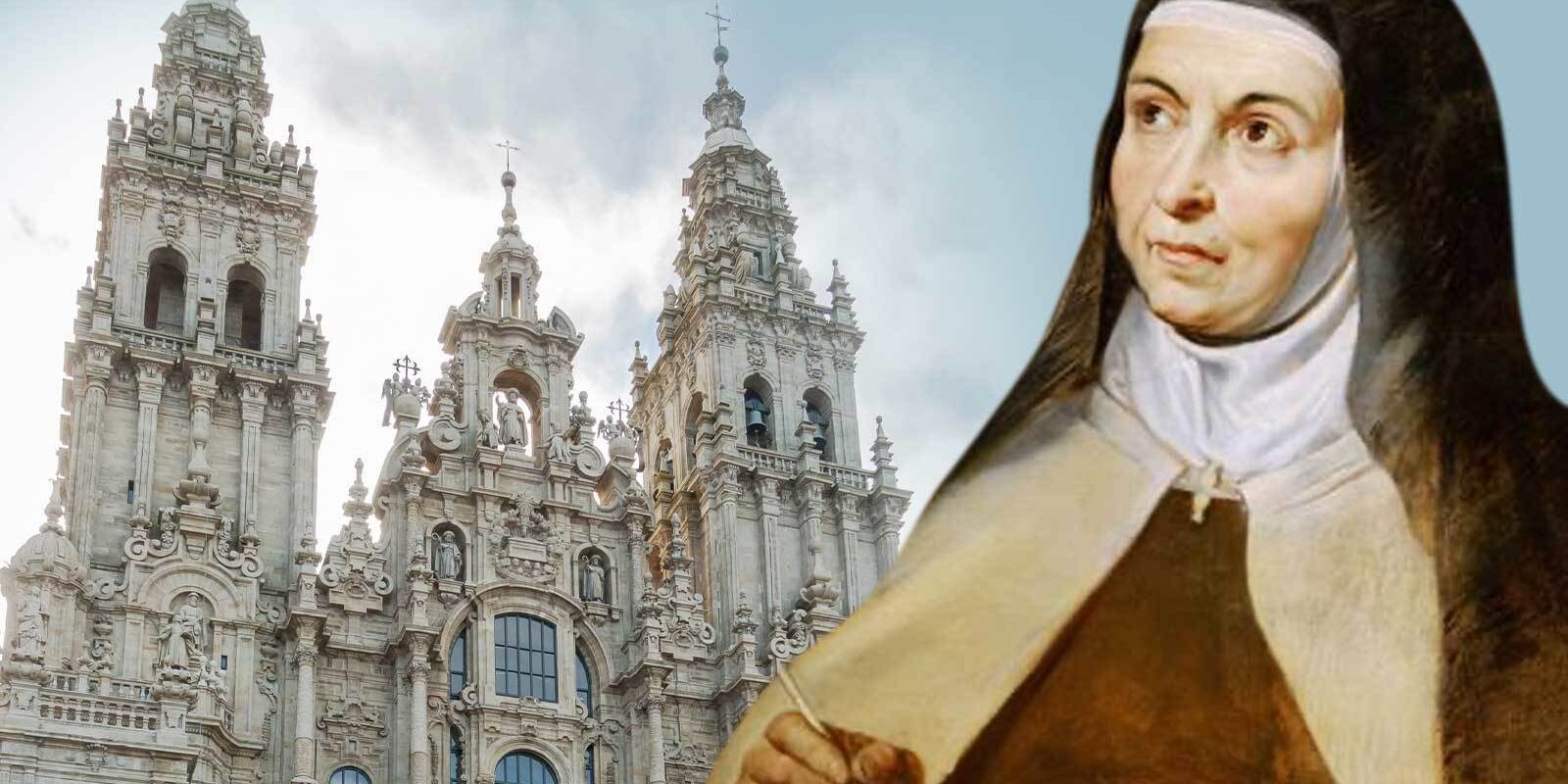
Imagine walking along ancient trails where every step tells a story. That’s what the Camino de Santiago is like—an experience that blends adventure, culture, and spirituality. But what happens when you arrive in Santiago de Compostela during the «Gran Flor» Festival? The city transforms into a tapestry of colors, scents, and sounds, inviting everyone to be part of something magical.
What is the Camino de Santiago?
The Camino de Santiago is more than just a route; it is a journey of personal transformation that millions have undertaken over the centuries. Starting from different points across Europe, all the routes lead to the majestic Cathedral of Santiago de Compostela.
The French Way vs. the Portuguese Way
While the French Way is the best known and most traveled route, offering a rich tapestry of landscapes and medieval villages, the Portuguese Way begins in Porto and is favored by those seeking a less-traveled but equally enriching route.
The Way of Saint James for beginners
Starting the Camino de Santiago can seem daunting. However, packing the essentials and knowing the best times to travel—such as spring or fall—can make the experience more enjoyable. Packing what you need, but not overpacking, is crucial to enjoying the trip without being weighed down.
Why do the Camino de Santiago
Walking the Camino is not just a physical challenge; it is an opportunity to disconnect from the modern world and find answers to personal questions. Upon arriving in Santiago during the «Great Flower» Festival, the journey comes to a symbolic close with celebrations that lift the spirit.
When to do the Camino de Santiago
Deciding when to walk the Camino de Santiago is just as important as deciding to walk it. The months of May through September offer warmer weather and longer days, although there are also more pilgrims. The less crowded months provide a more intimate and reflective experience.
What to take on the Camino de Santiago
Packing your backpack for the Camino is an art. It’s essential to include appropriate clothing for changing weather conditions, a good pair of hiking boots, and essentials such as water, snacks, and a first-aid kit. Don’t forget a journal to record your thoughts and experiences along the way.
Common difficulties and problems on the Camino
Although the Camino de Santiago is accessible to many, it is not without its challenges, such as blisters, dehydration, or simple physical exhaustion. Being aware of these common problems helps you prepare better and face them with determination and the right resources.
Doing the Camino alone or in a group
Walking the Camino de Santiago alone offers a deeply personal experience, while doing it in a group can provide a sense of community and support. The choice depends on what each person is looking for in this unique adventure.
Source: americaneedsfatima.org