



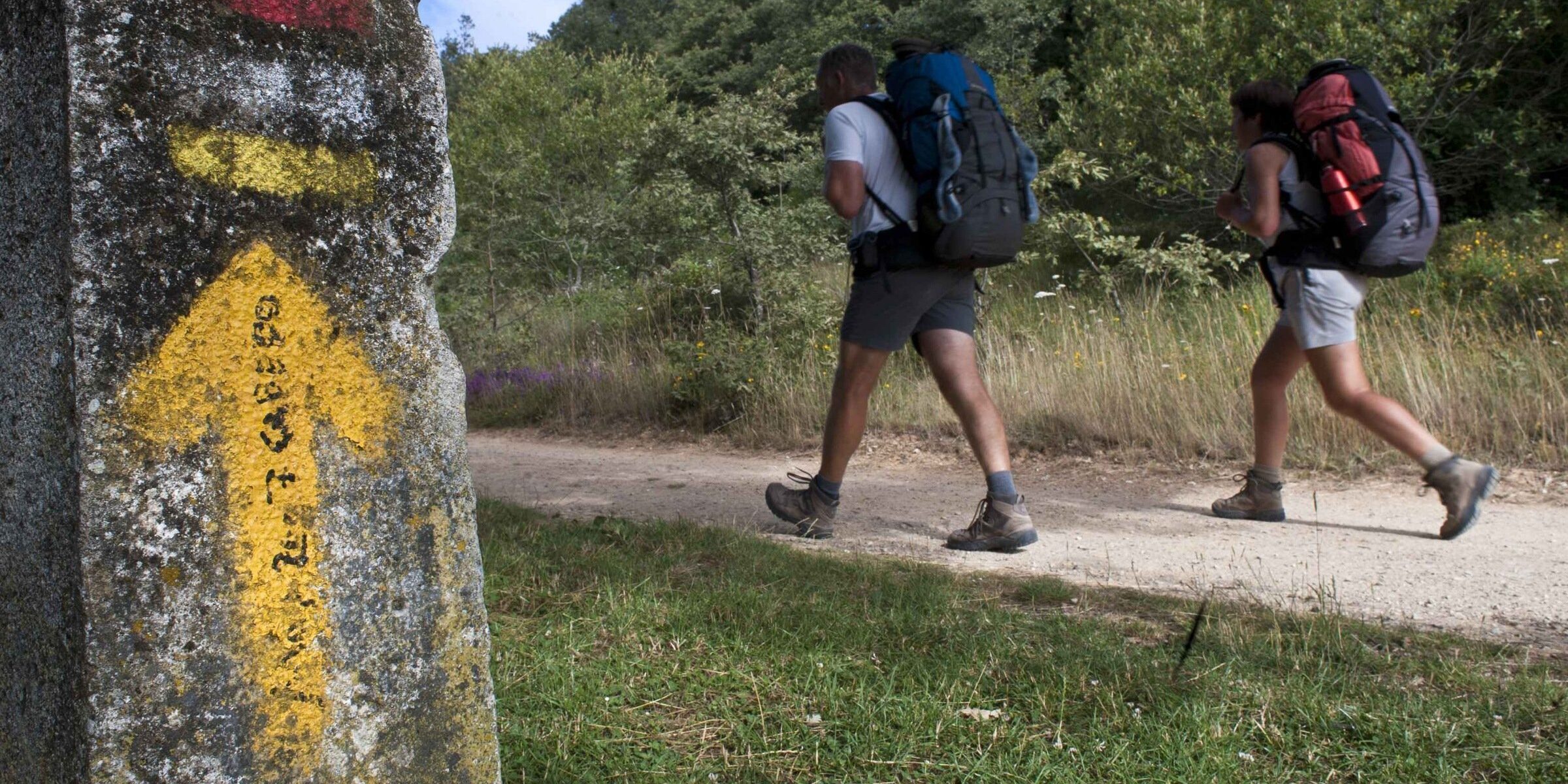
Last summer I decided to embark on the Camino de Santiago, not so much out of religious fervor, but as a means to process the loss of my brother. What began as a simple hike turned into a deeply emotional and spiritual experience.
The beginning of a transformative journey
We began our journey at the border between Spain and Portugal, armed with pilgrim passports that accumulated stamps at each stop. Although our steps took us through forests and hills, it was in the small chapels and improvised monuments where my personal journey really began.
The impact of other pilgrims' memorials
In each of these places, I encountered personal tributes that painfully reminded me of my brother. Photos, notes and scallop shells written with names and dates showed me that I was not alone in my grief. These memorials, often accompanied by candles and flowers, transformed each step into a meditation on loss and love.
Communion in pain
What surprised me was the naturalness with which the pilgrims shared their sadness. There was no effort to hide the pain, but a tacit understanding that the Camino was a space to share it. This openness helped me come to terms with my own grief in a way I had never considered before.
Sacred space and communal prayer
In churches, I observed people in prayer, some imploring the saints, others simply immersed in the silence of their grief. This act of collective faith, although not following the doctrine of any particular religion, offered me inexplicable comfort, making me feel part of a community that understood grief without the need for words.
Personal reflections and the search for comfort
As I walked, I reflected on the stories of the saints I had learned in my childhood, and how these figures served as intermediaries in suffering. Although my spiritual practice has evolved, I found a new respect for these rituals that facilitate a space for grieving and healing.
The power of symbols and rituals
A statue of a pregnant Mary became a powerful symbol on my trip. It reminded me of friends and family who had gone through similar losses and made me see prayer differently, not just as supplication, but as an act of communal care and connection.
Conclusion of a shared path
At the end of my journey, I not only felt that I had walked through Spain, but through a process of accompanied healing. The Camino did not erase my pain, but it taught me to live with it, to share it and, above all, to find grace in the compassion of strangers.
Source: www.americamagazine.org